
The Ultimate Algarve Packing List: What to Wear in Every Season and Nobody Tells You
If you’ve been reading generic Portugal packing lists and trying to figure out which parts actually apply to the Algarve, I get it. The Algarve is its own thing. The weather behaves differently from Lisbon or Porto, the ocean is colder than people expect, the wind on the west coast can rearrange your entire outfit, and the cobblestones in old towns like Tavira and Lagos will eat your favorite sandals for breakfast.
So instead of giving you another generic “pack layers and a swimsuit” list, I want to walk you through what to actually bring, season by season, the way I’d tell a friend over coffee. We’ll cover temperatures, water temperatures (because that one surprises people), the wind situation, and what to wear for different activities and occasions once you’re there.

This post may contain affiliate links. If you purchase through them, I may earn a small commission at no extra cost to you. Thanks for supporting my small business.
Why the Algarve Isn’t Like the Rest of Portugal
Before we get into the seasonal lists, there’s one thing worth understanding because it shapes everything you pack.
The Algarve has a Mediterranean climate, but the water is the Atlantic Ocean, not the Mediterranean Sea. That sounds like a small distinction. It isn’t. It’s the reason the ocean stays cooler than visitors expect even in the middle of summer, and it’s the reason the west coast (Sagres, Aljezur, Carrapateira) feels noticeably windier and rougher than the south coast (Faro, Tavira, Albufeira, Lagos), even on days when the air temperature is identical.
The other thing to know is that the ocean temperature runs about two months behind the air temperature. July feels like peak summer, but the water is still warming up. The warmest swimming is actually in September, sometimes even early October, when most people have already packed up and gone home.
Inland is its own little world too. Towns like Monchique and Silves sit higher and away from the coast, which means they’re hotter in summer afternoons and colder at night year-round. If your trip includes an inland day, throw an extra layer in the bag.
One more thing worth mentioning: the UV index in the Algarve is high from April all the way through October. Higher than most visitors from northern Europe or North America are used to. This matters more for what you pack than the temperature does on some days.

Spring in the Algarve (March to May)
Spring is one of my favourite times in the Algarve. The wildflowers come in, the almond trees are still finishing their bloom in March, the crowds haven’t arrived yet, and you get those perfect 22-degree afternoons that feel like a gift.
What the Weather Actually Does in Spring
You’re looking at air temperatures somewhere between 16 and 23°C (61 to 73°F), with March being cooler and May feeling pretty close to early summer. The rain is winding down but not completely gone, especially in March and early April. Some days are pure sunshine, some are grey and breezy, and a lot of them are both at different hours.
The ocean is still cold. We’re talking 15 to 17°C (59 to 63°F). That’s swimmable for about twenty seconds if you’re brave, and properly enjoyable only if you have a wetsuit or you’re the kind of person who swims in cold water at home and likes it. Most people will dip their toes and call it a day.
The wind is moderate, but on the west coast it can get strong even in spring. The clifftop walks are gorgeous and a bit gusty.
What to Pack for Spring

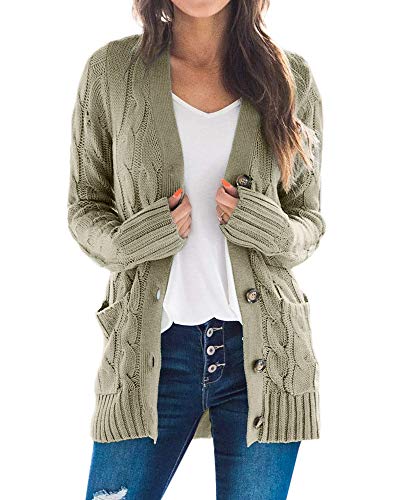
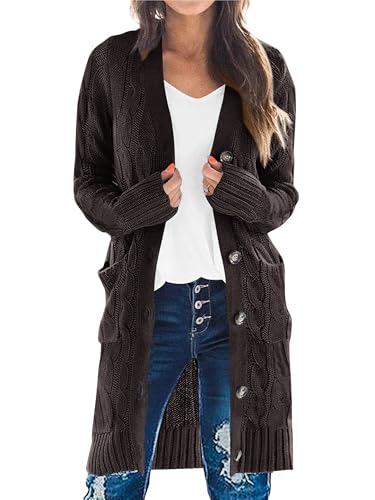
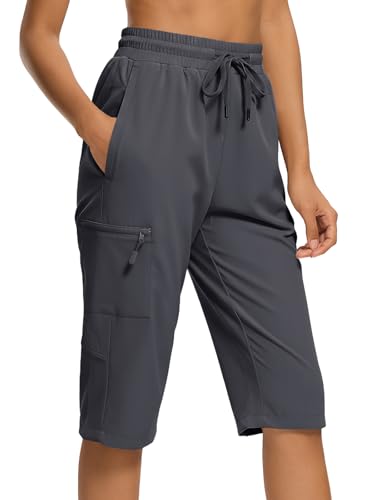
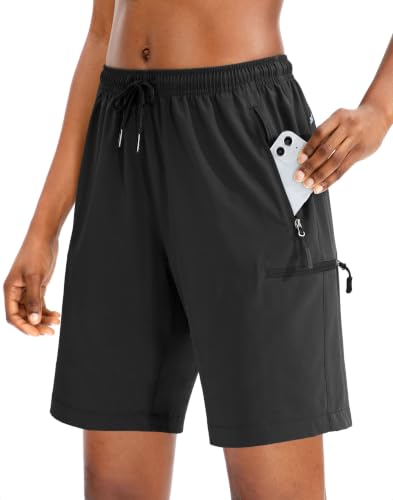
Think layers, not bulk. A few short-sleeve t-shirts, a couple of long-sleeve tops, one light sweater or cardigan for evenings, and one light waterproof jacket. That’s your base. For bottoms, jeans work, light trousers work, and one pair of shorts for the warmer afternoons in May is a smart inclusion.
You don’t need a heavy coat. You don’t need a winter jacket. What you need is the ability to add and remove layers easily, because a single day in spring can swing from chilly morning to warm afternoon to breezy evening, and you’ll want to adjust without going back to the apartment.
For accessories, bring a sun hat (the UV is already climbing), sunglasses, a light scarf that can double as a wrap on windy days, and a small umbrella that lives in your day bag.
Table could not be displayed.What People Get Wrong in Spring
The biggest mistake is packing like it’s either summer or winter. Spring in the Algarve is neither. You’ll be too hot in a parka by 11 AM and too cold in just a t-shirt by 7 PM. The wind is the other thing people don’t plan for. A cardigan that feels warm enough at home will feel useless on a clifftop in Sagres. Bring something with a bit of weight to it for those evenings.
Summer in the Algarve (June to September)
Summer is what most people picture when they think Algarve. Long days, warm sea, late dinners outside, beach towels drying on apartment balconies. It’s also when packing gets surprisingly tricky, because the temperature swings between day and evening are bigger than you’d think.
What the Weather Actually Does in Summer
Air temperatures sit between 25 and 32°C (77 to 90°F) along the coast, and inland can hit 38°C or higher on a hot July or August afternoon. Rain is essentially off the table from late June through August.
The ocean warms up gradually. In June you’re looking at around 18°C, which is fresh. July climbs to about 20°C. August gets to 21 or 22°C. September is the sweet spot, often the warmest of the year at around 22°C, sometimes a bit more.
Then there’s the wind. From July into August, a north wind called the Nortada picks up and runs along the coast. It’s stronger on the west side. On the south coast it’s more of a pleasant afternoon breeze, but on the west coast it can genuinely make a beach day uncomfortable if you weren’t expecting it.
The UV index runs at 9 to 10, sometimes higher. Sunset is late, around 9 PM at the peak of summer, which means dinner runs late and you’ll want a light layer for sitting outside afterwards.
What to Pack for Summer
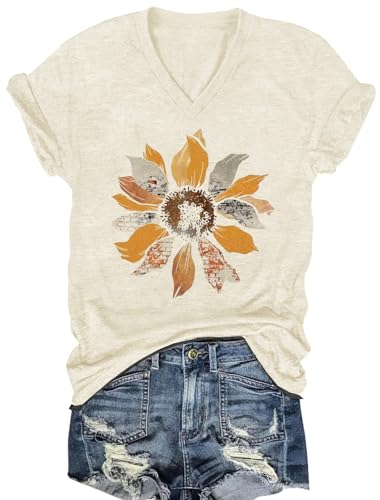
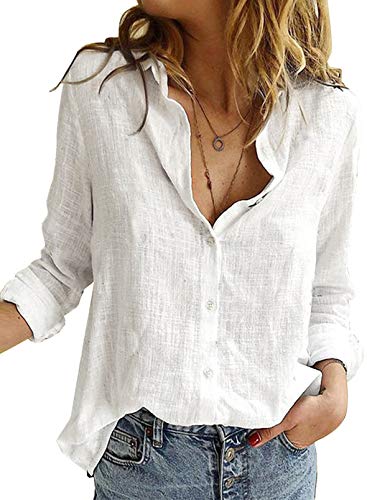
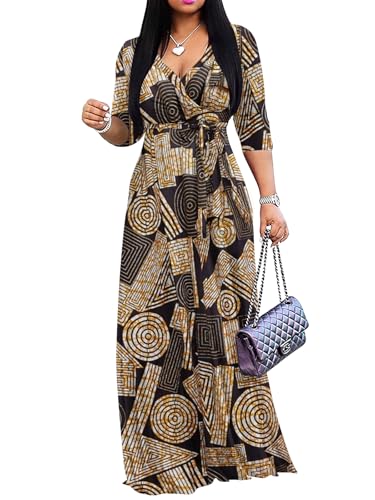
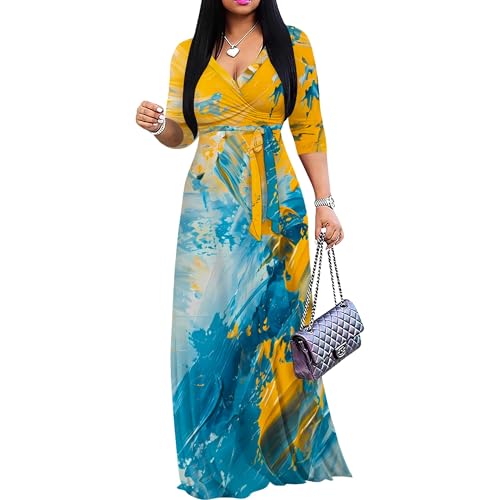
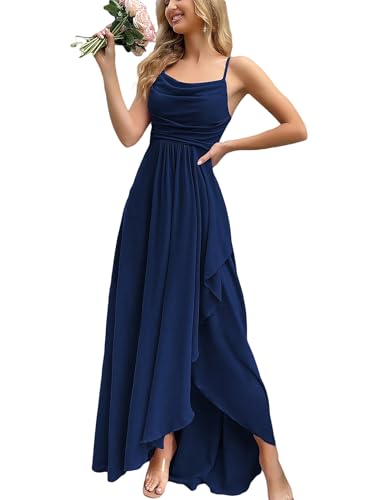
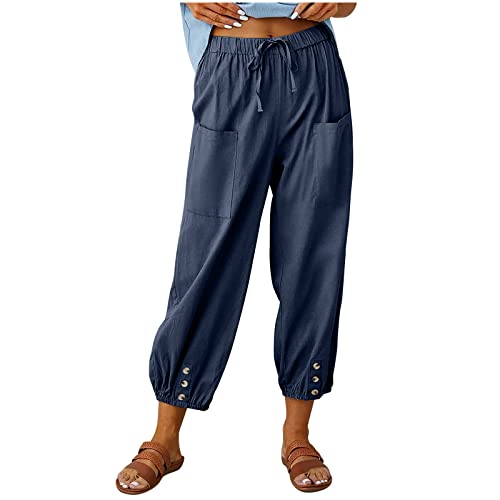
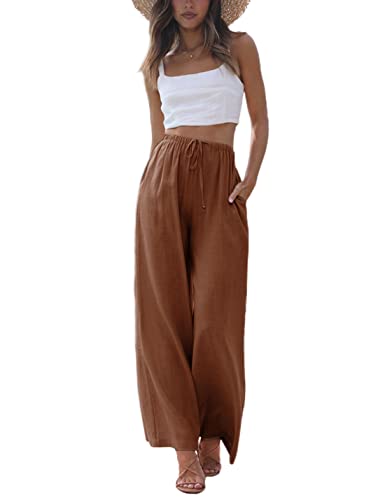
Table could not be displayed.Lightweight, breathable fabrics are your friends. Linen, cotton, technical travel fabrics if you have them. Loose-fit dresses, light skirts, lightweight trousers, shorts, and breathable tops. The goal is air circulation, not just light colours.
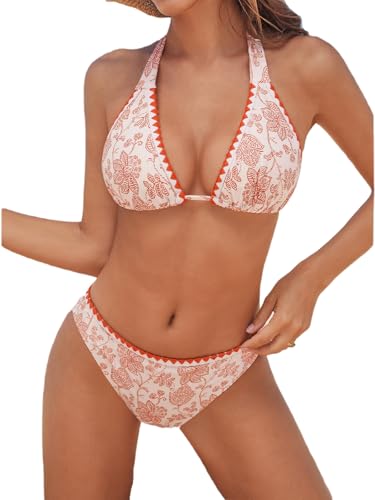
Pack at least two swimsuits. I know that sounds obvious to some people and excessive to others, but the reality is one will always be wet, and the second one means you don’t have to put on a damp swimsuit at 9 AM. You’ll thank me.
The thing most people forget is one light evening layer. A linen overshirt, a light cardigan, a thin cotton sweater. Something that takes up almost no room in your bag but means you can sit outside for dinner without getting chilly when the breeze comes in off the water.
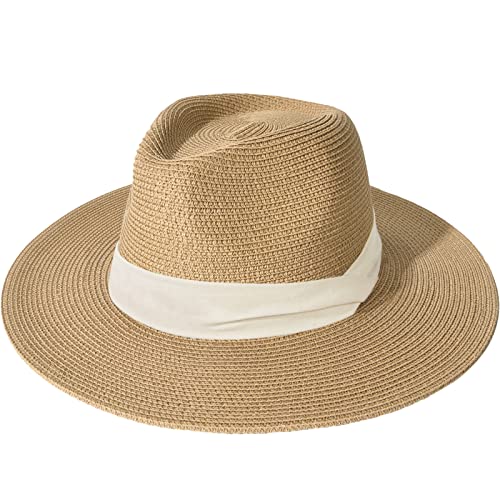
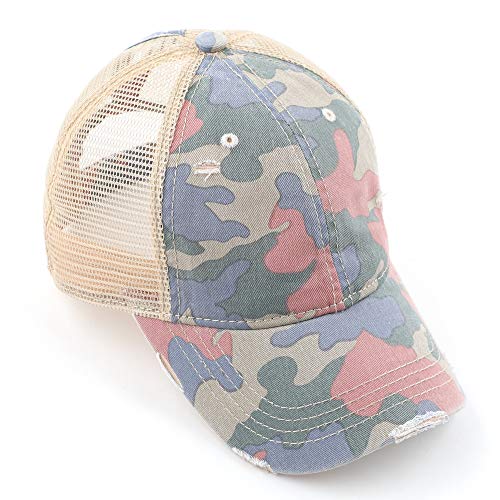
For sun protection, you want a proper sun hat. And here’s where I’m going to be specific: get one with a chin strap. The Algarve wind has taken more hats off more cliffs than I can count. A nice straw hat without a strap is going to end up in the Atlantic.

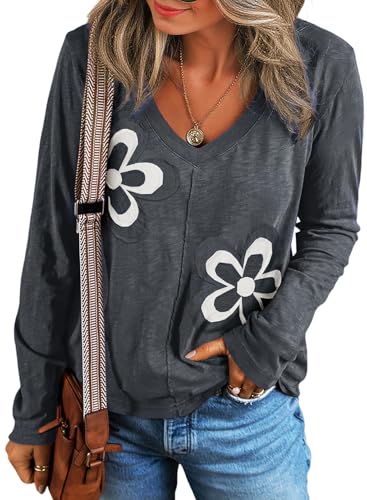
You also want high-UPF sunglasses, a reef-safe SPF 50 (the standard SPF 30 most people bring from home is not quite enough for this UV), a reusable water bottle because dehydration in 30-degree heat sneaks up fast, and a light sarong that can pull triple duty as a beach cover-up, a picnic blanket, and a shawl on an over-air-conditioned bus.

If You’re Doing Beaches and Boat Trips
Pack swimming shoes or water shoes. A lot of the prettiest beaches have rocky entries or hidden sea urchins, and the lava-style rocks at places like Praia da Marinha or the more rugged west coast beaches can hurt your feet. Reef shoes solve this.


A quick-dry beach towel saves you a lot of space and dries before you have to repack. And if you’re taking a boat trip to the Benagil Cave or going dolphin-watching, bring a small dry bag. The boats kick up spray, and your phone or camera will not enjoy salt water.

What People Get Wrong in Summer
The ocean is colder than they expected. The wind, especially on the west coast, is stronger than they expected. And sunset is later than they expected, which means dinner is later, which means they need that one evening layer they didn’t pack.
Also, people overpack heavy things “just in case.” You will not need a fleece jacket in August in the Algarve. You will need that one light layer for evenings, and that’s it.
Table could not be displayed.

Autumn in the Algarve (October to November)
Autumn is the Algarve’s best-kept secret. October especially. The crowds thin out, the prices come down, the ocean is still warm enough to swim in for the first half of the month, and the light gets that golden quality that makes every photograph look better.
What the Weather Actually Does in Autumn
In October you’re looking at air temperatures between 18 and 25°C (64 to 77°F), which is essentially late spring weather. Water temperatures stay around 19 to 21°C, which is genuinely swimmable for most people, especially in the first two weeks of the month.
November cools off more noticeably. Air temperatures drop to 14 to 20°C (57 to 68°F), the water drops to about 17 to 19°C, and the rain starts coming back, particularly toward the end of the month. The wind gets a bit calmer than peak summer, which is one of the things I love about autumn.

What to Pack for Autumn
This is a shoulder season, so you’re mixing summer and spring pieces. A handful of t-shirts, a couple of long-sleeve tops, one warm sweater for evenings (especially in November), one pair of shorts for warmer days, and your regular trousers and jeans.
A light waterproof jacket is essential. Not a parka. Just something that handles a rain shower and a bit of wind. Closed-toe shoes for cooler days, plus one pair of sandals if you’re going in October and planning to spend time at the beach.
For accessories, you still want sun protection. UV stays meaningful through October, which surprises people. A compact umbrella, a light scarf, and you’re set.

What People Get Wrong in Autumn
They look at the forecast a week before they fly, see 23 degrees and sunshine, and pack like it’s summer. Then they get hit with a grey, breezy day in early November and they’re cold. The Algarve in autumn can deliver three completely different weather days in a row. Pack for the range, not for the forecast.
Table could not be displayed.Winter in the Algarve (December to February)
Winter in the Algarve is mild by European standards. It’s not Greek-islands-in-July sunshine, but it’s far warmer than most of northern Europe, and you’ll get a real mix of sunny days and rainy days. A lot of European retirees and long-stay travellers come here in winter for exactly this reason.
What the Weather Actually Does in Winter
Daytime air temperatures sit between 10 and 17°C (50 to 63°F). Nights can drop to 6 to 8°C, occasionally lower inland. The water is at its coldest, around 15 to 16°C (59 to 61°F), which means swimming is for surfers in full wetsuits and very dedicated cold-water swimmers.
December and January are the rainiest months of the year. You’ll still get plenty of sunny days, but you should expect a few rain days too. The wind can feel sharp on the coast.
Here’s the thing nobody warns you about: it’s often colder inside than outside.
Portuguese homes and rentals are mostly built for hot summers, not cold winters. Tile floors, no central heating, single-pane windows in older buildings. If you’re staying in an apartment or guesthouse rather than a modern hotel, you’ll want to pack like you might spend an evening in a slightly chilly room.

What to Pack for Winter
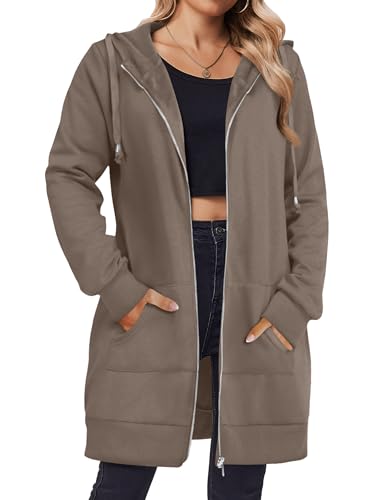
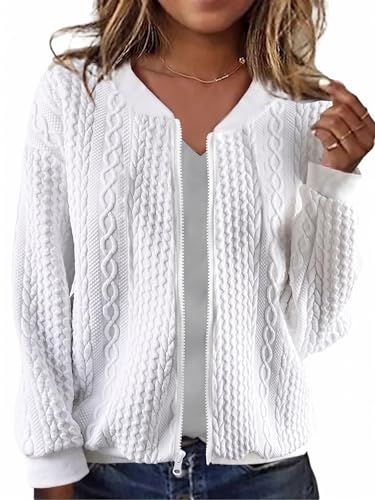
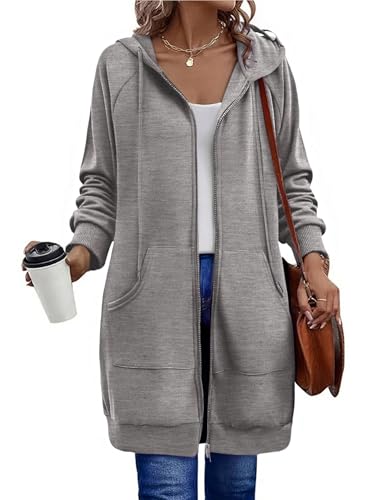
The trick to packing for winter in the Algarve is warm layers, not one heavy item. A good fleece or warm sweater plus a waterproof shell will serve you far better than one bulky winter coat. Long trousers (jeans, warm leggings, travel trousers), long-sleeve tops, two or three warm sweaters, and a thermal base layer if you’re someone who feels the cold.
A waterproof outer shell is non-negotiable. Doesn’t have to be expensive, just genuinely waterproof.
For accessories, waterproof shoes or boots, a compact umbrella, a warm scarf, a beanie, and light gloves if you run cold. And here’s the thing I’d quietly insist on if you were a friend: pack warm pyjamas and a pair of slippers. The tile floors in winter are no joke. Slippers will change your evenings.
What People Get Wrong in Winter
They pack only for outdoor temperatures and end up cold indoors. They assume “southern Portugal” means t-shirt weather and bring nothing warm. They forget that the Algarve in January is not the Algarve in July. It’s a different trip with different requirements. Still bring tshirts (maybe long sleeve to wear below the fleece, thouch)
What to Wear in the Algarve by Activity
Let’s get into the practical part. Here’s what to actually wear once you’re there, depending on what you’re doing.
Cliff Walks (Seven Hanging Valleys, Ponta da Piedade)
These walks are stunning and not particularly difficult, but the trails run right along the clifftops with no fences in most places, and the wind can be strong. You want proper walking shoes with grip, not fashion sneakers. Light long trousers are more comfortable than shorts because of the dry vegetation along the path. A layered top, a hat with a chin strap, sunglasses, a small backpack with water, and you’re set.
Beach Day on the South Coast
The south coast is the gentler side. Standard summer beach kit works. Swimsuit, cover-up, sun hat, sunscreen, towel, a book, and the usual beach gear. The beaches around Lagos, Albufeira, and Tavira are all on this side and tend to be calmer.
Beach Day on the West Coast (Bordeira, Amado, Castelejo)
This is where you need to plan differently. The west coast beaches are wilder and the wind is stronger. Even in July, bring a light windbreaker. The same air temperature feels about 5 degrees colder when the wind is pushing 25 kilometres per hour at your back. Bring something more substantial than a sarong if you plan to stay for the afternoon.
Boat Trip to Benagil Cave or Dolphin Watching
Going on a boat trip is one of the Algarve Bucket List experiences. Keep in mind that it’s always cooler on the water than on shore. Bring layers. Wear your swimwear under your clothes so you’re not changing on a small boat. Bring a dry bag for your phone and anything you don’t want salt-sprayed. A hat that can be secured, reef-safe SPF, and motion sickness tablets if you’re sensitive to choppy water.
Walking Around Old Towns (Lagos, Faro, Tavira, Silves)
Closed-toe walking shoes. I cannot stress this enough. The cobblestones, called calçada portuguesa, are beautiful and absolutely brutal on your feet and ankles. They’re slippery when wet and uneven when dry. Save the dressier sandals for evening when you’ll mostly be sitting at a restaurant.
Hiking the Rota Vicentina or Via Algarviana
This is proper hiking, not a casual stroll. Real hiking shoes with ankle support if you have them, technical layers, sun hat, a hydration pack or 2 litres of water capacity, a blister kit, and snacks. Don’t underestimate these trails just because they’re at low altitude.
Inland Day Trip (Monchique, Silves, Caldas de Monchique)
Slightly warmer layers in winter, slightly more sun protection in summer because of altitude. The change in microclimate is bigger than the distance suggests.
What to Wear in the Algarve by Occasion
This is the part most packing lists skip, and it’s the part most people quietly worry about. Let me make it easy.

Dinner at a Nice Restaurant
The Algarve is casual. Even at the nicer restaurants in Lagos or Vilamoura, you don’t need a jacket or a cocktail dress. A linen shirt and lightweight trousers for men. A simple summer dress or smart trousers and a nice top for women. Closed-toe shoes or dressier sandals. That’s it.
A Fado Performance
Fado is intimate and traditional, and the venues tend to be small and atmospheric. Smart casual works. Darker colours feel right. Nothing flashy. You’re there to listen.
Sunset Drinks at a Clifftop Bar
Bring a light layer. Always. The temperature drops faster than you’d think once the sun goes down, and the wind picks up.
Wine Tasting
The Algarve has a small but growing wine scene, especially inland. Comfortable smart casual, closed-toe shoes if you’re going to walk through a vineyard, and a light layer for cellar visits which stay cool year-round.
A Wedding or Formal Event
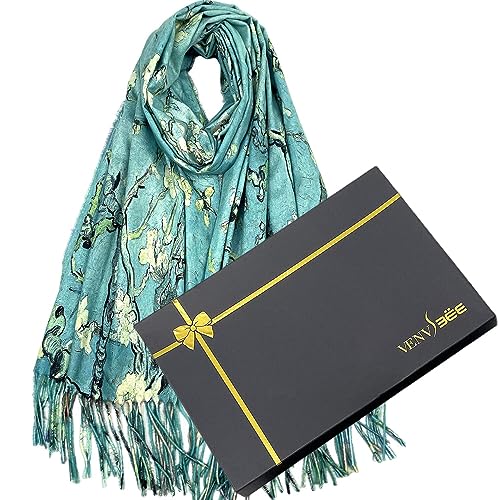
Lightweight formal wear in summer, ideally in fabrics that breathe. A wrap or shawl instead of a jacket. Block heels rather than stilettos if there’s any chance of grass, sand, or those famous cobblestones.
The Shoe Situation
If there’s one thing I want you to take seriously from this whole guide, it’s the shoes.
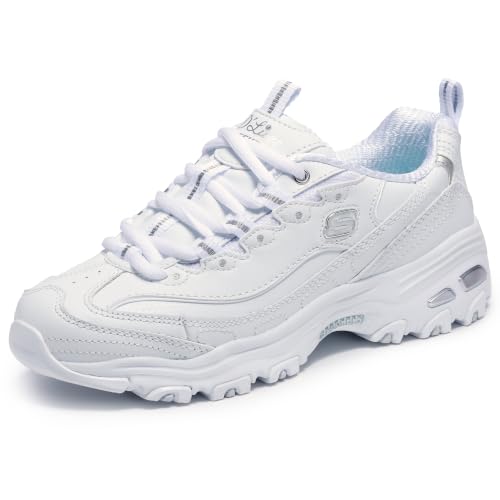
The Algarve will ask your feet to do four very different jobs. Walk on uneven cobblestone in old towns. Hike along rocky clifftop trails. Cross hot sand to reach the water. And look reasonable at dinner. Most people try to do this with two pairs and end up regretting it.
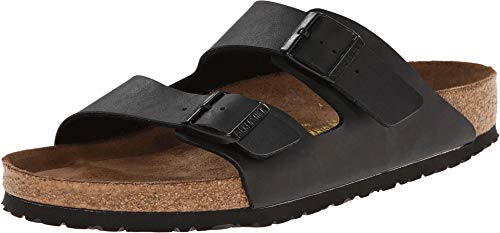
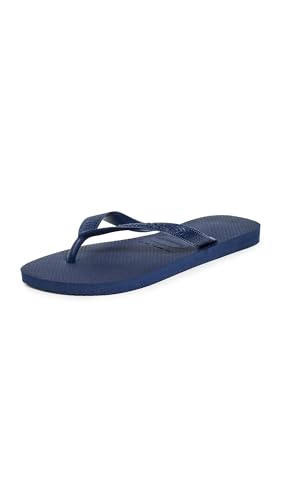
Here’s what I’d actually pack. One pair of proper walking shoes with grip, the kind you’d be happy to wear all day on a long walk. One pair of comfortable sandals for the beach and casual daytime use. One pair of water shoes or reef shoes if you’re planning to swim at rocky beaches or take boat trips (the sea urchins are real and the rocks are sharp). And optionally one dressier pair if you have specific dinner plans that call for it.
Two rules. Don’t bring brand-new shoes. Break them in at home first. And don’t bring heels of any kind. The cobblestones will defeat you, and Portuguese restaurants don’t expect them anyway.


The Algarve Packing Mistakes Almost Everyone Makes
Let me save you the trouble of learning these the way I did.
The first mistake is underestimating the wind, especially on the west coast. People look at the temperature forecast and don’t think about wind chill, then they’re standing on a cliff at Sagres in July wishing they had a windbreaker.
The second is overestimating the ocean temperature. The Atlantic is not the Mediterranean. Even in August it’s refreshing, not warm. If you’re someone who needs warm water to enjoy swimming, plan for late August through early October.
The third is packing for “summer in Europe” without thinking about UV. The Algarve sits on roughly the same latitude as southern Italy, but the sun feels stronger. Bring proper SPF, a real hat, and sunglasses you trust.
The fourth is bringing too many shoes and none of them right. Three pairs that each do a specific job beats five pairs that all sort of work for everything.
The fifth, and this only matters for winter, is forgetting that indoors is often colder than outdoors. Portuguese houses are built for summer. In December and January, you’ll want warm sleepwear and slippers.
Documents, Electronics, and a Few Practical Bits


Most of the document and electronics situation is the same as anywhere else in Portugal, but a few things worth flagging.
For your phone connection, I’d skip buying a physical SIM card and just use Airalo, which is an eSIM you can buy and activate from your phone before you even leave home. Portugal has good coverage with most providers, and an eSIM means you’re connected the moment you land, no fiddling with a tiny SIM tray at the airport. It’s also cheaper than most physical SIM cards for short trips.
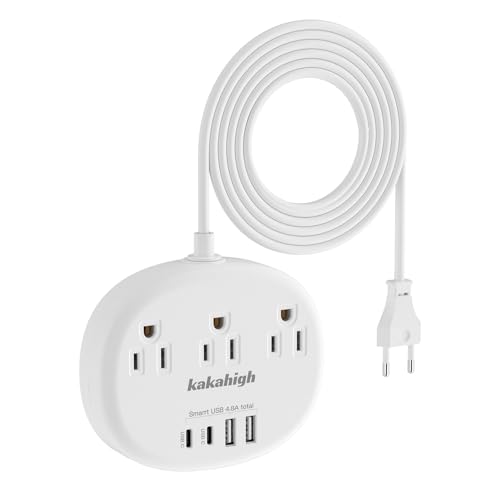
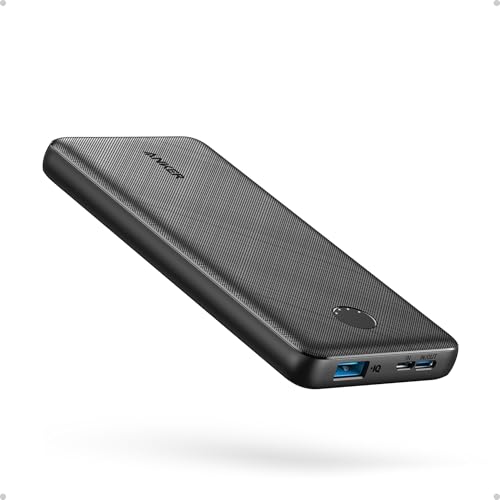
You’ll need a Type F plug adapter (the round two-pin European one). Most travel adapters cover this. A power bank is worth its weight in gold because you’ll use your phone constantly for Google Maps, restaurant searches, and photos. A reusable water bottle saves you money and plastic, and the tap water across the Algarve is safe to drink.
For a small first aid kit, the usual basics plus a few things that are genuinely Algarve-specific. Anti-itch cream in case you get stung by a jellyfish (they show up some summers, not every summer, but it’s good to be prepared). Blister plasters for the cobblestones and the trails. Whatever pain medication you normally use, in original packaging with the prescription if it’s prescription-only, because some over-the-counter medicines in other countries are prescription-only in Portugal.
Travel insurance is something I’d genuinely recommend, especially if you’re hiking or doing boat trips. It’s inexpensive and you only ever miss it when you don’t have it.
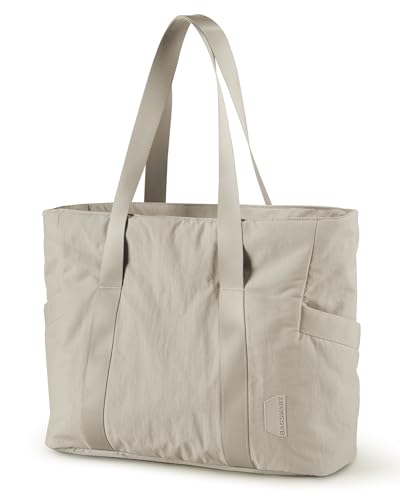
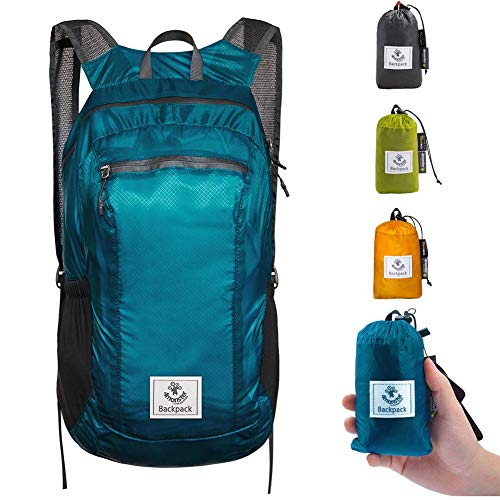

Month-by-Month Quick Reference
Here’s the cheat sheet if you’ve scrolled this far and just want the highlights.
January and February. Cool, sometimes rainy, mild compared to most of Europe. Pack warm layers, a waterproof shell, warm sleepwear, and slippers.
March. Cool to mild, occasional rain, wildflowers coming in. Layers, light waterproof, one warm sweater.
April and May. Pleasant, mostly dry, warming up. Layers, light jacket for evenings, one pair of shorts for warm afternoons.
June. Warm and dry, water still cool. Summer clothes, swimsuit, light evening layer, sun protection.
July and August. Hot and dry, Nortada wind picking up, water warming. Lightweight clothes, two swimsuits, hat with chin strap, evening layer.
September. Warm and dry, warmest water of the year, fewer crowds. Same as July and August, slightly lighter evening layer.
October. Mild and mostly dry, still swimmable early in the month. Mix of summer and spring pieces, light jacket, one pair of sandals.
November. Cooler, rain returning, beach days are over. Warm sweater, waterproof jacket, closed-toe shoes, umbrella.
December. Mild during the day, chilly at night, rain likely. Warm layers, waterproof shell, slippers, warm sleepwear.
Final Thought
Packing for the Algarve isn’t complicated once you understand the rhythm of the place. The ocean lags the air temperature. The west coast wind is its own character. Cobblestones are not your friends. The UV is stronger than you think.
Get those four things right and you’ll pack well no matter what month you’re going.
If you want, save this guide to your phone before you fly. The night-before-the-trip panic-pack is real, and having something to look at that isn’t a generic Pinterest list will make the whole thing easier.
Safe travels.
