
The Real Algarve Bucket List: 35 Experiences Worth Your Time (and a Few to Skip)
Most Algarve bucket lists you’ll find online are 50-item dumps that include everything from world-class experiences to forgettable tourist traps, all weighted the same way. This one is different. It’s curated. These are the experiences I’d actually tell a friend to prioritize, plus a few honest “skip this” warnings so you don’t waste your trip on things that look good in photos and feel hollow in person.
I’ve organised this around the experiences themselves rather than around towns or regions, because the Algarve is small enough that you’ll mix and match. What matters is choosing the right experiences for the kind of trip you want.
This post may contain affiliate links. If you purchase through them, I may earn a small commission at no extra cost to you. Thanks for supporting my small business.
Quick Take Before You Read
The three experiences nobody should leave the Algarve without are sunset at Cabo de São Vicente, the Seven Hanging Valleys clifftop walk, and seeing the Benagil cave from the water at the right time of day. September is the best month for this list overall, because the water is warmest, the crowds are thinning, and the light is golden. The most overrated experience is the midday Benagil cave tour with 80 people on a big boat.
The biggest hidden gem most visitors miss is the inland Algarve, where the whitewashed mountain villages and waterfalls feel like a different country. And realistically, you need at least 7 to 10 days to do this properly.

How to Use This List
The Algarve is bigger and more varied than people realise. The west coast (Sagres, Aljezur) and the south coast (Faro, Lagos, Albufeira) feel almost like different countries. Inland is a third world entirely. Not everything on this list works for everyone, and that’s the point. Pick 8 to 12 experiences for a one-week trip rather than trying to do it all.
One honest practical note before we start. The Algarve is hard to explore properly without a car. The bus network connects the main towns, but the best beaches, the inland villages, and the west coast are essentially unreachable on public transport. If you want to do this trip on your own terms and at your own pace, I’d genuinely recommend renting a car. Discover Cars is the platform I use because it compares all the local rental companies in one search, which tends to surface deals that the big international names don’t show you.
If you’d rather not drive, the inland jeep tour and the boat tours covered below are the workaround. They get you to places you couldn’t otherwise reach, with someone else doing the navigating.
The Iconic Algarve Experiences
These are the famous ones. They earned their fame for a reason. The trick is doing them right, because doing them wrong (wrong time of day, wrong operator, wrong expectations) is how the Algarve ends up feeling underwhelming to people.
1. Watch Sunrise at Benagil Cave
The Benagil cave is the most photographed spot in the Algarve. You’ve seen it. The natural skylight, the sand inside the cave, the sea coming through two open arches. What the photos don’t tell you is that by 10 AM, the cave is packed with tour boats and kayakers all jostling for the same shot, and you can’t actually go inside on most boat tours, you just float past the entrance.
The way to do it right is at sunrise. Rent a kayak or stand-up paddleboard from Praia de Marinha or Praia de Benagil, get on the water before 7 AM, and paddle the 200 metres or so to the cave entrance. In the early morning the light is soft and golden, the boats haven’t arrived yet, and you can actually pull up onto the sand inside the cave and have it to yourself for 20 minutes. This is the version that lives up to the photographs.
If you’re not a sunrise person or you don’t want to deal with renting equipment, the alternative is the sunset cruise covered next.

2. Take a Sunset Cruise to Benagil Cave
If kayaking at dawn isn’t your thing, the sunset cruise is the version of Benagil that actually justifies the boat tour. The light is different in the evening, softer and more dramatic, and the crowds have mostly cleared out for the day. The smaller-boat cruises (rather than the big party boats with 80 people on deck) give you a calmer, slower experience along the coastline, and you’ll see the famous cave from the water at exactly the right time of day.
Book the Benagil cave sunset cruise here.
This is one of the few group boat tours in the Algarve I’d genuinely recommend, mostly because the sunset timing makes it more than just a transport-to-photo-op. You get the coastline, the caves, the cliffs, and the light all at once.
3. Stand on the Edge of the World at Cabo de São Vicente
Cabo de São Vicente is the southwestern tip of continental Europe. The lighthouse sits on a clifftop 75 metres above the Atlantic, and on a clear day you can stand there and genuinely feel the geography of the place. There’s nothing between you and America except a lot of water.
Go for sunset. The light here when the sun drops into the ocean is one of the great free experiences in Europe. Bring a layer (it’s windy, always, more than anywhere else in the Algarve), maybe a bottle of wine, and arrive at least an hour before sunset so you can wander the clifftops and find a spot.
There’s a small chorizo and bread van that parks near the lighthouse most evenings. It’s a local institution. Worth trying.

4. Walk the Seven Hanging Valleys Trail
The Trilho dos Sete Vales Suspensos is, in my opinion, the best clifftop walk in Europe. It runs 5.7 km between Praia da Marinha and Praia de Vale Centeanes, hugging the cliff edge the whole way, with views down into hidden coves, natural arches, and that postcard-blue water.
A few honest, practical notes. It’s not a loop, so you either need transport at both ends (taxi back to your start point is the usual move) or you walk out and walk back, which makes it 11.4 km. The trail is mostly flat, but there are some short climbs and uneven sections. Wear proper walking shoes, not sandals. Bring water and a sun hat with a chin strap, because the wind on the clifftops will take a regular hat right off your head.
Best time of day is early morning or late afternoon. Midday in summer is brutal because there’s no shade.
These are the hiking boots I wore (the second pair and the third)

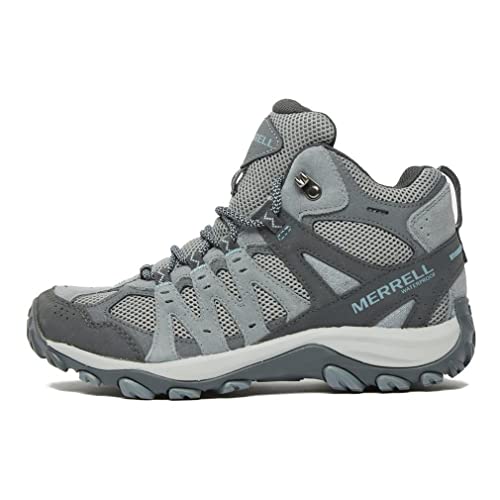

If you don’t want to do the entire trail, you can do what I did: find on Google Maps Benagil Cave, it will point you to the closest parking spot that’s near Benagil Beach and the caves and from there you can join the trail and get to the Praia da Marinha, passing by Benagil Cave. Spoiler: You won’t see much of the cave from above.
My best advice is to take the trail, then book a boat trip to see the cave from the water. If you are into kayaking, keep in mind that they don’t allow you to book your kayak and paddle on your own to the cave, for safety reasons.
Not because it’s dangerous, but because it was getting out of control with so many people going, especially in July and August when it’s so crowded. Now you need to book a guided tour, whether it’s kayaking, paddleboarding or a boat. I went on a boat from Lagos and loved it.
Walk the Lagos Boardwalk From the Historical Centre to Ponta da Piedade
This is one of the most underrated walks in the Algarve, mostly because people fixate on the boat tours of Ponta da Piedade and forget you can walk there. The cliffside boardwalk runs about 2 km from the old town of Lagos out to the famous rock formations, all along the cliff edge, mostly flat, with views the whole way.
The reason to walk it instead of taking a tuk-tuk or driving is the pace. You stop where you want, you take detours down to the small beaches along the way, you arrive at Ponta da Piedade having actually experienced the coastline rather than just photographed it. Late afternoon is the best time. The light gets warm, the crowds thin out, and you can stay at the top for sunset.
It’s accessible for most fitness levels. No real climbing involved. Just bring water in summer and a layer in spring or autumn.
Of course, you should ALSO take the boat tour to see the coast from the sea, it’s a totally different experience. I loved it.

Take the Boat Out to Ponta da Piedade at Golden Hour
Once you’ve walked to Ponta da Piedade from above, do it again from below. The traditional small wooden boats that leave from Lagos marina take you right into the grottoes and through the natural arches, which you can’t see from the clifftop. The small boats beat the bigger tour boats because they actually fit inside the rock formations.
You can book online, but you’ll usually get a better price by walking down to the marina in Lagos and booking with one of the small operators in person. Go in the late afternoon for golden hour light.
Stand on Praia da Marinha at Low Tide
Praia da Marinha is consistently rated one of the most beautiful beaches in Europe, but the experience changes dramatically depending on the tide. At high tide, it’s a pretty beach. At low tide, it transforms. The rock formations come out of the water, you can walk to the natural arches that connect the small coves, and the beach feels twice as big.
Check the tide times before you go. Arrive at low tide. Allow at least two hours so you can walk to the arches, swim, and walk back without rushing.

Walk Along Praia da Falésia
Praia da Falésia is 6 km of red and ochre cliffs against a wide flat beach, and the dramatic colour comes from iron oxide in the rock. The contrast between the rust-red cliffs, the pine trees on top, the gold sand, and the blue water is genuinely striking, and it photographs beautifully without any filter at all.
You don’t have to walk the whole length. Even a 30-minute stretch shows you what makes this beach special. Start at the Olhos de Água end if you want it quieter, or the Albufeira end if you want easier parking and more facilities. Best at low tide and in the late afternoon when the cliffs catch the sun.
The Hidden Gems Most Visitors Miss
These are the experiences that won’t show up on a generic Algarve listicle. They’re also where the trip starts to feel like yours, not someone else’s Instagram itinerary.
Take a Jeep Tour to the Inland Waterfalls and Villages
The inland Algarve is the part most visitors never see, which is a shame because it’s where the Algarve still feels authentic. Whitewashed villages, cork forests, hidden waterfalls, slow lunches in family-run tavernas. The problem is that getting there involves narrow mountain roads that aren’t great if you’re not comfortable driving in unfamiliar terrain.
The jeep tour is the way around this. You get picked up from your Albufeira hotel, taken into the hills, walk through ancient villages, given free time to swim at a local river, offered a tasting of local products, and sit down to a proper lunch before heading back. No navigation stress, no rental car, no figuring out where to park in a village with three streets.
Book the inland jeep tour here.
This is one of the few group tours that genuinely delivers on the “explore the real Algarve” promise. If you’re not driving and you want to see the inland part of the region, this is how to do it.
Have Lunch in a Whitewashed Village Inland
If you are driving, pick one of the inland villages and spend a slow afternoon there. Alte is the prettiest. Salir is quieter. Querença is the smallest. All three have a handful of family-run restaurants where the menu is whatever they cooked that morning, the wine is local, and lunch takes two hours because nobody is in a hurry. This is the Algarve most tourists never see.

Swim at Praia do Carvalho
Praia do Carvalho is the small beach right next to Benagil, but you’d never know it was there if you didn’t look. The access is through a tunnel cut into the rock, which keeps the crowds away because most people don’t realise the beach exists. The cove itself is smaller than Benagil, with the same dramatic cliffs around it, and the swimming is genuinely better because it’s more sheltered.
Go in the morning, before the day-trippers arrive at the Benagil parking area and accidentally discover it.

Drive the EN125 Across the Whole Algarve
The EN125 is the old coastal road that runs the length of the Algarve from west to east. Most people now take the A22 motorway, which is faster but completely characterless. The EN125 is slower, but it takes you through the villages, past the orange groves, alongside the salt pans, and gives you a much better sense of what the region actually looks like outside the tourist towns.
You don’t have to drive the whole length. Even doing a section between, say, Lagos and Faro, with stops for coffee and to look at things, makes a great half-day on its own.
Walk the Salt Pans of Castro Marim
Most visitors to the Algarve never make it to Castro Marim, which sits at the eastern edge of the region right against the Spanish border. The salt pans here are one of the strangest and most beautiful landscapes in southern Portugal. The water turns shades of pink and red, the salt is harvested into white mountains along the edges, and in spring and autumn the flamingos arrive.
It’s free to walk. There’s a small information centre. Bring a hat, because there’s no shade.
Spend an Afternoon in Ferragudo

Ferragudo is the small fishing village directly across the river from Portimão, and the contrast is something. Portimão is busy and tourist-heavy. Ferragudo is quiet, whitewashed, full of locals, and feels 30 years behind in the best possible way. The square has two or three good restaurants, the streets are made for wandering, and the small beach at Praia Grande is just below the village.
This is the place locals quietly send you when they like you.

Hike a Section of the Rota Vicentina
The Rota Vicentina is a long-distance hiking trail that runs along the wild west coast from north of the Algarve down to Cabo de São Vicente. The Fisherman’s Trail section, which hugs the clifftops all the way down the coast, is one of the great coastal walks in Europe.
You don’t have to do the whole thing. Even one day section (Carrapateira to Vila do Bispo, or Aljezur to Carrapateira) gives you a sense of what makes this coast different from the south side. Empty beaches, dramatic cliffs, no buildings, just you and the Atlantic.
Find a Hard-to-Reach West Coast Beach
The west coast of the Algarve has dozens of small beaches that take real effort to get to. Praia do Pinheirinho. Praia da Cordoama. Praia do Telheiro. The drives are rough, the parking is improvised, and the walks down to the sand are steep. The reward is that these beaches will be nearly empty even in August.
Bring everything you need. There are no facilities. That’s the whole point.

Food, Wine, and the Algarve Table
The food bucket list is half the trip if you let it be.
Eat Cataplana at a Family-Run Restaurant
Cataplana is the Algarve’s signature dish, named after the copper cooking vessel it’s made in. The vessel itself is shaped like a clamshell and sealed shut, which steams everything inside in its own juices. The classic version is seafood (clams, prawns, fish, sometimes squid) with potatoes, tomato, onion, garlic, and white wine. There’s also a meat version with pork and clams (yes, both, it works).
Order it at a family-run restaurant, not at a tourist place. The good cataplana takes 30 to 40 minutes to cook, so if it arrives in 10, that’s not real cataplana. It’s also a dish meant for two people minimum, so don’t try to order it solo.
Stop at Padaria Central in Lagos for Pastries Like a Local
Padaria Central is the bakery locals actually go to in Lagos. It’s in the historical centre, it’s been there for years, and it’s the kind of place where the morning crowd is mostly Portuguese rather than tourists.
What to order: a proper pastel de nata still warm from the oven, the queijadas (small cheese tarts), and any of the local almond pastries. Go in the morning before the good stuff sells out. The Portuguese take their bakery culture seriously, and this is one of the spots where you can taste why.
Drink Medronho with a Local
Medronho is the Algarve’s traditional spirit, distilled from the fruit of the medronho tree (the wild strawberry tree) that grows in the hills. It’s only made in this region. Real medronho is homemade, fierce, and somewhere between 40 and 50 percent alcohol. The commercial versions you’ll find in shops are fine but tamer.
If you spend any time in the inland villages, you’ll likely be offered some by a local. Drink it. This is a cultural gesture, not just a drink offer. The good versions are smooth and fruity. The very strong versions will let you know.
Order Grilled Sardines Right Off the Boat
From May through September, grilled sardines are a ritual along the coast. The Portuguese eat them simply: salt, charcoal grill, lemon, bread, a glass of white wine or beer. The fish should be moments out of the sea, the grill should be hot enough that the skin crisps, and the whole thing should cost you very little money.
The sardine festival in Portimão in August is famous but crowded. For the regular version, find a beachfront restaurant in a smaller town and watch where the grill is.

Visit an Algarve Vineyard
The Algarve has a small but real wine scene, mostly concentrated around Lagoa and inland in the foothills. The wines are distinctive because of the schist soils and the climate (very dry summers, mild winters). The whites are crisp, the reds are warmer and more rustic than what you’d get from the Douro or Alentejo.
A handful of vineyards do tastings and tours. Quinta dos Vales, Adega do Cantor, and Monte da Casteleja are three worth looking into. Most need a booking. Half-day experience including tasting and lunch is the move.
Have Breakfast in a Pastelaria Like a Portuguese Person
The Portuguese breakfast is small, fast, and built around coffee and a pastry. You stand at the counter or sit at a small table, you order a galão (espresso with steamed milk in a tall glass) or a bica (espresso), and you eat a pastel de nata or a sweet bread roll. Total cost: under three euros. Total time: ten minutes.
Do this in any town in the Algarve. It’s how locals actually start the day, and once you get into the rhythm of it, you’ll find yourself dreading hotel breakfast buffets.
Try the Local Sweets
Algarve sweets carry the region’s Moorish heritage. Almonds, figs, carob, and honey are the main ingredients, and most of the traditional sweets are based on combinations of those four. Doce fino is the local term for the small almond-paste sweets shaped like fruits and animals. Morgado is a dense almond cake. Figos cheios are figs stuffed with almonds and chocolate.
You’ll find them in any decent pastelaria. Buy a small box of mixed ones to take back to wherever you’re staying.
Eat at a Local Tasca Where No English Is Spoken
A tasca is a small, no-frills Portuguese restaurant, usually family-run, where the menu is whatever they cooked that day and the price is whatever a local would pay. They don’t have websites. They rarely have signs in English. The way to find one is to walk through any non-touristy neighbourhood at lunchtime and look for the place full of older Portuguese men eating alone with a small bottle of wine on the table.
Order the menu of the day (prato do dia). Drink the house wine. Don’t expect anything fancy. This is where you eat the food the Algarve actually eats.

On the Water and Under It
The Algarve is defined by its coastline. These are the experiences that put you in it or on it.
Kayak Through the Albufeira Cave System
Everyone fixates on Benagil, but the Albufeira coastline has its own set of caves, grottoes, and arches that most visitors miss entirely. The stretch between Albufeira and Olhos de Água is full of small hidden coves you can only reach from the water, and kayaking it is genuinely one of the great experiences in the region.
The reason kayaking beats a boat tour for this is simple. You can stop inside the caves. You can swim from the kayak whenever you want. You set your own pace. The guided tours include the basics (paddle, life jacket, briefing) and you don’t need to be experienced. If you can sit in a kayak and move forward, you can do this.
Book the Albufeira kayak cave tour here.
It’s beginner-friendly, runs in calm sheltered water, and you’ll see things from angles that the boat tours physically can’t reach.
Take a Dolphin Watching Trip
The Algarve coast has resident populations of common dolphins and bottlenose dolphins, plus regular sightings of pilot whales and occasional orcas. Trips run out of most of the main marinas (Lagos, Albufeira, Portimão, Vilamoura). Dolphins are common but not guaranteed.
Book with operators who are part of the regional eco-tourism programme. They keep distance from the animals, don’t chase, and turn the engines off when they spot a pod. The smaller boats are better than the big tourist catamarans. Best months are April through October.
Surf at Praia do Amado or Arrifana
The west coast of the Algarve has the best beginner surf in mainland Portugal. The two main spots, Praia do Amado and Praia da Arrifana, both have well-established surf schools that cater to first-timers. The waves are consistent enough to learn on, the water is cold but not freezing (wetsuits provided), and the schools handle everything from boards to transport.
Best months for learners are May, June, September, and October. Peak summer can be too crowded, peak winter can be too big.

Dive or Snorkel the Pedra do Valado Reef
If you dive or you’ve ever wanted to try, the marine reserves along the Algarve coast are some of the best dive sites in southern Europe. Visibility is good, the water is reasonably warm in summer, and the marine life is varied (octopus, moray eels, schools of bream, occasional rays). Pedra do Valado is one of the more accessible sites.
Most of the dive centres in Lagos, Sagres, and Carvoeiro offer try-dives for non-divers.
Spend a Day on the Ria Formosa Lagoon
The Ria Formosa is a protected lagoon system along the eastern Algarve coast, made up of a network of channels, salt marshes, and barrier islands. It’s a completely different landscape from the dramatic cliffs of the central Algarve, and most visitors never see it.
Take a boat from Faro or Olhão out to one of the islands. Ilha da Culatra is a working fishing village. Ilha do Farol has a beach and a lighthouse. Ilha Deserta is genuinely deserted, with a single restaurant and miles of empty sand. Pick one, spend the whole day, come back at sunset.
Day Trips and Excursions That Are Worth the Drive
The bucket list extends slightly beyond the Algarve itself. These are worth the time.
Spend a Day in Seville
Seville is two and a half hours from Faro by car. The Spanish border is right there, and crossing it for a day is one of the great cheats of Iberian travel. You can leave at 8 AM, be having tapas in Seville’s old town by lunchtime, see the cathedral and the Alcázar in the afternoon, and be back in the Algarve by midnight.
This is genuinely easier with your own car. Train and bus options exist but they eat half the day in transit.
Visit the Roman Ruins at Milreu
Milreu is a small Roman villa site just outside Faro, near Estoi. It’s one of the better-preserved Roman ruins in southern Portugal, and you’ll likely have it largely to yourself even in summer. The mosaics, the bath complex, and the small temple are all visible and well-marked.
Combine it with a visit to the Estoi Palace nearby, which is now a pousada hotel but the gardens are open to the public.
Spend the Afternoon in Monchique
Monchique is the mountain town in the highlands of the Algarve, about 30 minutes inland from the coast. It’s noticeably cooler than the beach towns in summer, which makes it a good escape on hot days. The thermal spa at Caldas de Monchique just below the town has been used since Roman times, and the small spa village around it is genuinely charming.
The views from the higher points back down to the coast are some of the best in the region.
Slower, Quieter Experiences (the Ones That Matter Most)
This is the section that makes the trip yours. The experiences that aren’t activities, they’re moments.


Sit on a Cliff at Sagres and Watch the Sun Drop Into the Ocean
No tour. No booking. No camera necessary. Just bring a blanket, a bottle of wine, and arrive an hour before sunset. Find a spot on the clifftops near Sagres fortress or at Cabo de São Vicente, sit down, and watch.
This is genuinely one of the best free experiences in Europe.
Spend a Morning Doing Nothing in a Quiet Old Square
Pick a town: Silves, Loulé, Olhão’s old quarter, any of the inland villages. Find a café on the main square. Order a coffee and a pastry. Sit down with a book. Stay for two hours.
This is what slow travel actually means. Not running between attractions. Just being somewhere.
Walk a Quiet Beach in the Off-Season
If you can visit the Algarve in November, February, or March, do it. The beaches are empty. The light is dramatic. You can walk for an hour on Falésia or Marinha or any of the west coast beaches and pass no more than three other people the entire time.
This is the Algarve that long-time regulars love. The summer version is fine. The off-season version is the one that makes people come back every year.
Stay Somewhere for a Week Instead of Two Days
The biggest mistake most Algarve visitors make is moving every two nights. They book three or four different hotels along the coast, they spend half the trip packing and unpacking, and they never settle anywhere long enough to feel like they’ve been there.
Pick one base. Stay a week. Make day trips from there. This is how you actually experience the place rather than tour through it.
What to Skip
This is the honest section. Skip these and your trip gets better.
The mega-resorts along Albufeira’s main strip are not the Algarve. They’re a generic Mediterranean party zone that happens to be located in the Algarve. If that’s specifically what you want, fine, but don’t confuse them with the region.
The big party-boat tours with 80 people on deck and a DJ are not the way to see the coast. The smaller boats and the kayak tours show you the same coastline more intimately and at a fraction of the noise.
Midday Benagil cave tours are the single most overrated experience in the region. Either go at sunrise on a kayak, or do the sunset cruise. Skip the noon boat tour.
The airport souvenir shops are tourist traps. Buy your medronho, your tinned sardines, your pastéis de nata, and your handicrafts in the towns. The prices are half what the airport charges.
The hop-on-hop-off tourist buses in most Algarve towns are not necessary. The towns are small enough to walk. The buses are slow and the commentary is generic.
When to Go
September is the single best month for this bucket list. The water is at its warmest (around 22°C), the crowds are noticeably thinner, the prices come down, the light gets that golden quality that makes everything photograph better, and the weather is still reliably summery. May is the second-best month, with the wildflowers still in bloom and the season just starting.
Avoid August if you can. The crowds are at their peak (Portuguese internal tourism plus international tourists), the prices are highest, the heat inland can be brutal, and the popular beaches and restaurants need bookings well in advance.
If you want practical detail on what to actually pack for each season, I wrote a separate guide that covers exactly that.
How Long You Actually Need
Be honest with yourself about pace.
A long weekend (3 to 4 days) realistically gets you 4 or 5 experiences from this list, mostly clustered in one part of the coast.
A full week gets you 8 to 10 experiences if you don’t move accommodations too much and you don’t try to do both coasts.
Two weeks lets you split between south coast and west coast properly, do an inland section, and still have time for the slow mornings.
Without a car, expect those numbers to drop by about a third. The bus network limits where you can go, and a lot of the best experiences (inland villages, west coast beaches, the salt pans) are essentially unreachable on public transport. Renting a car genuinely transforms what’s possible.
A Sample 7-Day Bucket List Itinerary
If you want a loose framework, here’s roughly what I’d do with one week, starting and ending at Faro airport.
Day 1. Arrive in Faro. Explore the old town in the afternoon. Dinner in a local tasca.
Day 2. Drive west to Lagos. Walk the boardwalk from the historical centre out to Ponta da Piedade in the late afternoon. Sunset there. Dinner in Lagos old town.
Day 3. Morning at Praia da Marinha at low tide. Afternoon doing the Seven Hanging Valleys trail. Stop at Padaria Central in Lagos on the way back.
Day 4. Early kayak or sunrise paddle to Benagil cave. Afternoon at Praia do Carvalho next door. Slow evening.
Day 5. Inland day. Either drive to Monchique and the inland villages yourself, or take the jeep tour.
Day 6. West coast day. Drive to Sagres, walk a section of the Rota Vicentina, sunset at Cabo de São Vicente.
Day 7. Slow morning in a quiet square in your favourite town. Lunch on a beach. Drive back to Faro for departure.
That’s 10 experiences from this list in a week, leaving time for meals, slow mornings, and the unplanned things that turn out to be the best part. For a more detailed 7-day Algarve itinerary, you can check my detailed guide. If you are unsure what to pack, my Algarve packing list for all seasons will help you figure it out.
Final Thought
The Algarve rewards travellers who slow down and skip the obvious moves. The bucket list isn’t really a list. It’s choosing the right items off it for the kind of trip you want to have.
If you take three things from this post, take these. Get up at least once for sunrise. Drive (or get driven) into the hills at least once. And stay somewhere long enough that the staff at the local café know your coffee order by the third morning. Everything else is detail.
Save this guide. Read the packing list before you fly. And go.
